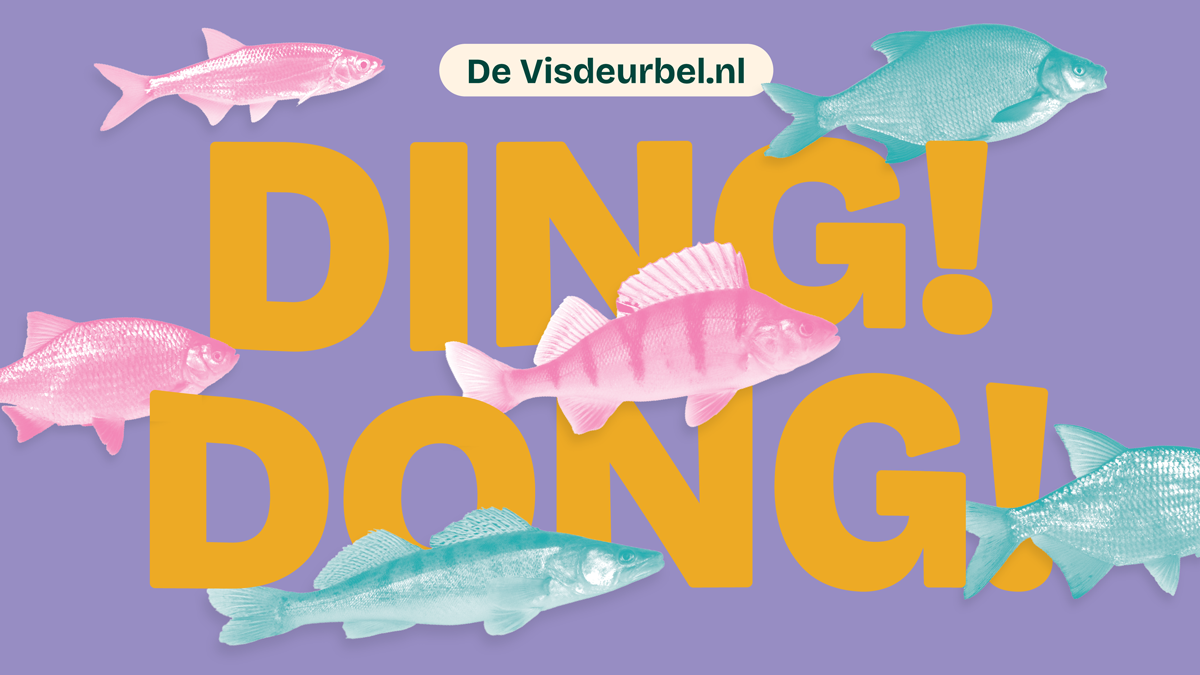
Ring the Fish Doorbell: How Global Viewers Help Dutch Fish Migrate
Imagine a bustling underwater highway, teeming with aquatic life, only to find a colossal concrete barrier blocking the path. This is the reality for many migratory fish navigating urban waterways. However, in the picturesque Dutch city of Utrecht, an ingenious solution has emerged, captivating audiences worldwide and ensuring the smooth passage of these vital creatures: the Fish Doorbell, or as it's known locally, the Vis Deurbel. This isn't just a quaint local initiative; it's a global phenomenon where millions of eyes connect across continents to give fish a helping fin.
The concept is beautifully simple yet incredibly powerful. A live stream camera is strategically placed beneath a boat lock in Utrecht's canals. When a fish appears on screen, viewers from all corners of the globe can "ring" a virtual doorbell. This digital chime alerts a local monitor, a dedicated human who then physically opens the canal gate, allowing the fish to continue their journey. It's a heartwarming blend of technology, community science, and ecological conservation, ensuring the crucial migration of species like pike, ide, perch, and bream remains uninterrupted. The project demonstrates how collective global action can have a profound, tangible impact on local ecosystems, making the dream of a successful fish migration an active, ongoing reality – truly a visdeurbel op been.
The Ingenious Mechanism Behind the Fish Doorbell: More Than Just a Click
At first glance, the Vis Deurbel seems like a straightforward "see fish, click button, gate opens" operation. However, the reality involves a sophisticated, community-driven process. The core of the system is a high-definition underwater camera that streams live footage to a dedicated website. When viewers spot a fish, they click a virtual doorbell button. This click doesn't instantly open the gate; instead, it sends a notification to a local monitor stationed in Utrecht. This monitor reviews the submissions, assessing the presence and number of fish. Once enough fish have gathered, indicating a significant migration moment, the monitor takes action and opens the boat lock, allowing the fish to pass safely.
The project's unexpected popularity has brought its own set of fascinating challenges and solutions. Initially, the dedicated Vis Deurbel platform hosted the live stream and the interactive doorbell function. However, the sheer volume of international interest quickly overwhelmed the system. To accommodate the massive influx of viewers – often reaching millions during peak migration seasons – the project expanded its reach, redirecting many visitors to a YouTube live stream. While YouTube offers unparalleled streaming capacity, it unfortunately doesn't support the interactive doorbell feature. This means that while global audiences can still marvel at the aquatic ballet, the direct "bell-ringing" function is primarily available on the main, more limited streams. Nevertheless, every view, every screenshot shared, and every enthusiastic comment contributes to the project's visibility and success, reinforcing the idea that the visdeurbel op been is a truly collaborative effort.
Despite the technical nuances, the mission remains clear: facilitate fish migration. The project's organizers have expressed immense gratitude for the worldwide participation, noting that even "thousands of pictures of every fish" appearing on screen provide valuable data and demonstrate global commitment to Dutch waterways. It’s a testament to how even without a direct click, international engagement fuels the spirit of the project.
Why is the Fish Doorbell Necessary? Understanding Fish Migration Challenges
The necessity of the Vis Deurbel stems from a critical ecological challenge: the fragmentation of natural waterways by human infrastructure. Rivers and canals, once continuous pathways for aquatic life, are now punctuated by dams, weirs, and boat locks. While these structures are essential for navigation, water management, and flood control, they pose insurmountable barriers for migratory fish trying to reach their spawning grounds or feeding areas. Without assistance, these fish are trapped, unable to complete their life cycles, leading to declining populations and disrupted ecosystems.
For fish species like pike, ide, perch, roach, and bream, migration is a fundamental aspect of their survival. They travel upstream to lay eggs in calmer, shallower waters, or downstream to find richer feeding grounds. Utrecht, with its intricate network of canals and locks, represents a microcosm of this global problem. The boat locks, designed to facilitate boat traffic, inadvertently become bottlenecks for fish. The Fish Doorbell provides a vital bypass, essentially creating a fish-friendly corridor within an urban landscape. It's a proactive measure that highlights the importance of connectivity in aquatic habitats and underscores how human intervention, when thoughtfully applied, can mitigate the negative impacts of development.
By ensuring fish can navigate these obstacles, the Vis Deurbel contributes to biodiversity conservation and the overall health of the local ecosystem. Healthy fish populations are indicators of healthy water quality and robust food webs. Moreover, the project serves as an invaluable educational tool, raising awareness about the plight of migratory fish and the broader ecological importance of free-flowing rivers, making the argument for a visdeurbel op been all the more compelling for future generations.
A Global Community Unites for Aquatic Life: The Power of Citizen Science
Perhaps one of the most remarkable aspects of the Vis Deurbel project is its incredible ability to galvanize a global community. What began as a local initiative in Utrecht has blossomed into an international phenomenon, with countless individuals logging on daily from every continent. This collective enthusiasm transforms passive viewing into active participation, turning distant observers into genuine contributors to environmental conservation.
The excitement is palpable; social media buzzes with screenshots, celebratory messages, and shared moments of spotting a prized fish. It’s a fantastic example of citizen science in action, where everyday people, regardless of their scientific background, contribute to real-world data collection and environmental management. This democratic approach to conservation makes learning about aquatic ecosystems engaging and accessible. Children and adults alike can experience the thrill of discovery, observe different species, and understand the intricate dance of nature from the comfort of their homes. This shared experience fosters a sense of global responsibility and connection to nature, even for those thousands of miles away from Utrecht's canals.
The project transcends geographical boundaries, demonstrating that compassion for wildlife is a universal language. It’s a powerful reminder that in an increasingly interconnected world, simple, innovative ideas can bridge divides and unite people behind a common, ecological cause. The success of the Vis Deurbel underscores the potential of digital platforms to foster environmental stewardship on a truly global scale. It shows that when the call to action for a visdeurbel op been sounds, people from all walks of life are ready to answer.
Tips for Aspiring Fish Doorbell Ringers & Observing Species
For those eager to join the ranks of global fish helpers, here are some practical tips to enhance your Vis Deurbel experience:
- Be Patient and Persistent: Fish migration isn't a continuous parade. There will be quiet moments. Keep checking back, especially during peak migration seasons (typically spring to early summer in the Netherlands).
- Know the Peak Times: Fish activity can vary with the time of day, weather, and water conditions. Early mornings and late afternoons might offer better chances.
- Learn Your Species: Familiarize yourself with the fish commonly found in Dutch canals. The project often highlights species like pike (easily identifiable by their elongated bodies and pointed snouts), ide, perch (with their distinctive striped patterns and spiny fins), common roach, and freshwater bream. Identifying them adds another layer of enjoyment and educational value.
- Look for Movement: Don't just scan for static fish. Keep an eye out for subtle movements, shadows, or reflections that might indicate a fish is approaching the camera. You have to be quick to snap a screenshot or press the doorbell!
- Check for Updates: The Vis Deurbel team frequently shares updates on their website and social media channels regarding fish activity, new species sighted, and technical information. This can give you insights into the best times to watch.
- Understand the System: Remember that if you're on a high-traffic YouTube stream, the direct doorbell function might not be available. Your viewership still contributes to the project's impact and helps spread awareness.
The project has reported a significant increase in fish numbers and diversity, with new species joining the migration after the initial sightings of pike and ide. Perch, common roach, and freshwater bream are now regular visitors. Even with cloudy water conditions, the chances of seeing fish are on the rise, making it a thrilling time to be a virtual participant in this crucial journey. The more eyes on the screen, the better the chances of a successful and celebrated visdeurbel op been for all our finned friends.
Conclusion: A Ripple Effect of Global Kindness
The Vis Deurbel stands as a remarkable testament to human ingenuity and the power of collective action. What started as a local solution to a specific environmental challenge in Utrecht has blossomed into a globally recognized symbol of citizen science and cross-cultural environmental stewardship. By transforming a simple livestream into an interactive conservation tool, the project has not only ensured the safe passage of countless migratory fish but has also educated and engaged millions worldwide. It’s a beautiful illustration of how technology, combined with a shared sense of responsibility, can create a tangible positive impact on our planet’s ecosystems. The next time you find yourself watching the gentle flow of Utrecht's canals, remember that your participation, whether through a click or simply a view, contributes to a vital and inspiring movement, giving aquatic life a voice and a pathway forward – a true global community project. The visdeurbel op been continues its important work, one fish, and one bell-ring, at a time.