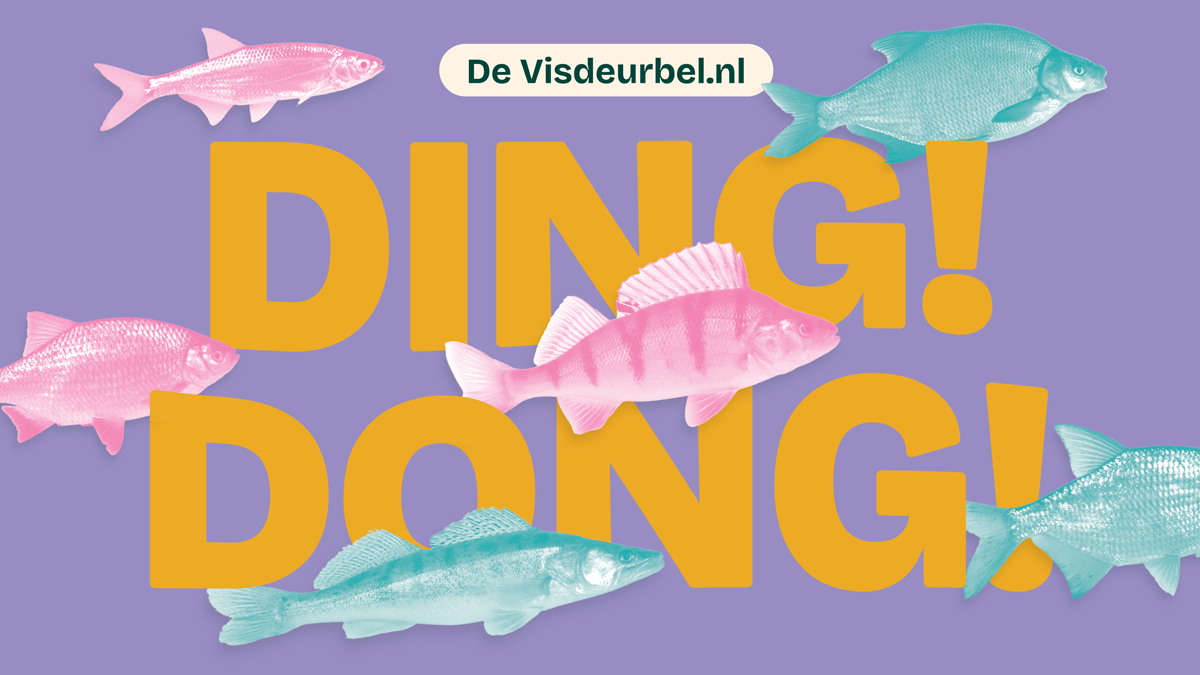
The vibrant canals of Utrecht, usually teeming with boats and cyclists, are now home to a spectacle of a different kind: an urgent, ancient migration of fish. As spring breathes new life into the Netherlands, thousands of fish embark on crucial journeys, only to find their path blocked by modern infrastructure like boat locks. Enter the ingenious solution that has captured hearts worldwide: the Vis Deurbel, or Fish Doorbell. This innovative project transforms passive observation into active conservation, allowing a global community to directly assist migrating aquatic life. This season, the Vis Deurbel is truly "op been" – fully operational, thriving, and welcoming a surge of new species and an even broader international audience.
The Vis Deurbel: A Global Phenomenon "Op Been"
In a charming corner of Utrecht, a pioneering environmental initiative has taken the world by storm. The Vis Deurbel isn't just a quirky name; it's a testament to human ingenuity and a global desire to protect our natural world. At its heart, the project aims to facilitate the upstream migration of fish, which are often trapped behind the closed gates of a boat lock in the Oudegracht canal. This crucial passageway becomes an insurmountable barrier for fish striving to reach their spawning grounds.
The concept is beautifully simple yet profoundly effective: a live stream camera is positioned underwater, capturing the anxious movements of fish congregating at the lock. Viewers from across the globe tune in, and when they spot a fish, they "ring" the digital doorbell. Initially, many believed this virtual bell directly triggered the opening of the gate. However, the true magic lies in the human element. Each "ring" alerts a dedicated human monitor. These individuals, based in Utrecht, collect the countless images and signals. Once enough fish have gathered, signalling a significant migratory push, the monitor manually opens the lock, granting the fish safe passage. It's a harmonious blend of technology, citizen science, and direct intervention that truly sets the Vis Deurbel apart as a unique global community project.
This season, the project is unequivocally "visdeurbel op been" – operating in full swing and exceeding all expectations. The sheer volume of participation has been overwhelming, with thousands of viewers enthusiastically ringing the bell. This unprecedented engagement has led to some technical adjustments; while direct doorbell functionality is available for a limited number of simultaneous streams (~950), a robust YouTube livestream ensures that everyone can still watch and contribute to the collective knowledge, even if the doorbell button isn't visible. "We 'only' get a thousand pictures of every fish that appears for the camera," quips the project team, highlighting the astounding success and global embrace of this humble yet impactful Dutch initiative.
Why Utrecht's Fish Need a Helping Hand
The need for the Vis Deurbel project underscores a broader challenge faced by aquatic ecosystems worldwide: the fragmentation of habitats due to human infrastructure. For species like pike, ide, perch, and bream, migration isn't a leisure trip; it's an imperative for survival. Fish migrate upstream to spawn, find richer feeding grounds, and escape predators. Dams, weirs, and especially boat locks, designed to facilitate human navigation, become formidable, often impassable, barriers for fish.
Utrecht's Oudegracht, a historic and bustling canal, is a prime example. While beautiful and functional for boats, its locks severely disrupt the natural flow and continuity vital for fish populations. Without assistance, countless fish would be stranded, unable to complete their life cycles, leading to declining numbers and reduced genetic diversity. The Vis Deurbel acts as a crucial bypass, a temporary lift that allows these aquatic travellers to continue their journey. It's an active acknowledgment of our shared responsibility to mitigate the environmental impact of urban development and ensure that nature can still thrive even in highly populated areas.
The project also serves as a powerful educational tool, vividly illustrating ecological challenges and solutions. By putting a live camera on these barriers, it brings the often-hidden struggles of aquatic life directly into our homes, fostering a deeper understanding and empathy for the delicate balance of canal ecosystems.
Newcomers to the Canal: Species Spotlight and What It Means
One of the most exciting developments this season, as the Vis Deurbel operates fully "op been," is the remarkable increase in fish numbers and, critically, the appearance of new species at the doorbell cam. Initially, the project primarily observed species like Pike (Esox lucius) and Ide (Leuciscus idus). While these are significant predatory and schooling fish, respectively, the latest reports indicate a growing diversity, painting a more optimistic picture of the canal's aquatic health.
Recent sightings include:
- Perch (Perca fluviatilis): Recognizable by their distinctive striped bodies and spiny fins, perch are popular sport fish and crucial predators in freshwater ecosystems. Their presence indicates a healthy food web, as they feed on smaller fish, insects, and crustaceans.
- Common Roach (Rutilus rutilus): A ubiquitous schooling fish with silvery scales and distinctive red fins, roach are often found in slow-moving waters. They are an important food source for larger predators and play a role in nutrient cycling.
- Freshwater Bream (Abramis brama): These deep-bodied, silvery-bronze fish are known for their bottom-feeding habits, sifting through sediment for invertebrates. Their presence suggests a good supply of benthic organisms and relatively undisturbed sediment.
The arrival of these new species is not merely a curiosity; it's a vital indicator. An increase in species diversity often signifies an improving aquatic environment, potentially due to better water quality, increased food availability, or the effectiveness of the Vis Deurbel in facilitating passage for a wider range of fish. Although the canal water can still be cloudy, making identification challenging, the sheer volume and variety of fish observed are a testament to the project's success and the resilience of nature. It's a clear signal that the efforts of the global community are making a tangible difference, allowing more fish to complete their critical migrations and bolster local ecosystems.
Joining the Global Effort: Your Role in the Vis Deurbel Experience
Being part of the Vis Deurbel phenomenon is straightforward and incredibly rewarding. Here’s how you can contribute to this unique global community project:
- Access the Livestream: Visit the official Vis Deurbel website (or their dedicated YouTube channel) to tune into the live underwater camera feed.
- Spot the Fish: Patience is key! Fish can appear suddenly. Keep an eye out for any movement or shapes in the murky depths.
- Ring the Doorbell: If you are on a stream with the doorbell function enabled (due to limited concurrent users, you might be redirected to YouTube), click the "doorbell" button as soon as you see a fish. Remember, your click sends an image to the monitor, not directly opens the gate.
- Be Quick: Fish are fast! You’ve got to be swift to capture them in the frame and ring the bell. It adds an exciting, game-like element to conservation.
- Understand the Limitations: If you're on the YouTube livestream, you won't see a doorbell button. Don't be disheartened! Your viewership still contributes to the project's visibility and awareness, and the team still gathers valuable data from the primary streams.
- Spread the Word: Share your experience with friends and family. The more people who know about the Vis Deurbel, the greater its impact.
Even if you don't manage to ring the bell for a specific fish, your participation, simply by watching, is valuable. It helps demonstrate the global interest in aquatic conservation and supports a project that truly embodies citizen science. This innovative Dutch initiative, with the Vis Deurbel "op been" this season, empowers everyone to be a part of vital ecological efforts from the comfort of their homes.
The Vis Deurbel is more than just a camera and a button; it's a vibrant, living testament to what can be achieved when global communities come together for a common environmental cause. As the fish numbers swell and new species like perch, roach, and bream make their appearance, it signals a hopeful future for Utrecht's canals and serves as an inspiring blueprint for urban aquatic conservation worldwide. This season, with the Vis Deurbel truly "op been", the call to action echoes louder than ever, inviting everyone to partake in this unique blend of technology, community, and vital ecological stewardship.