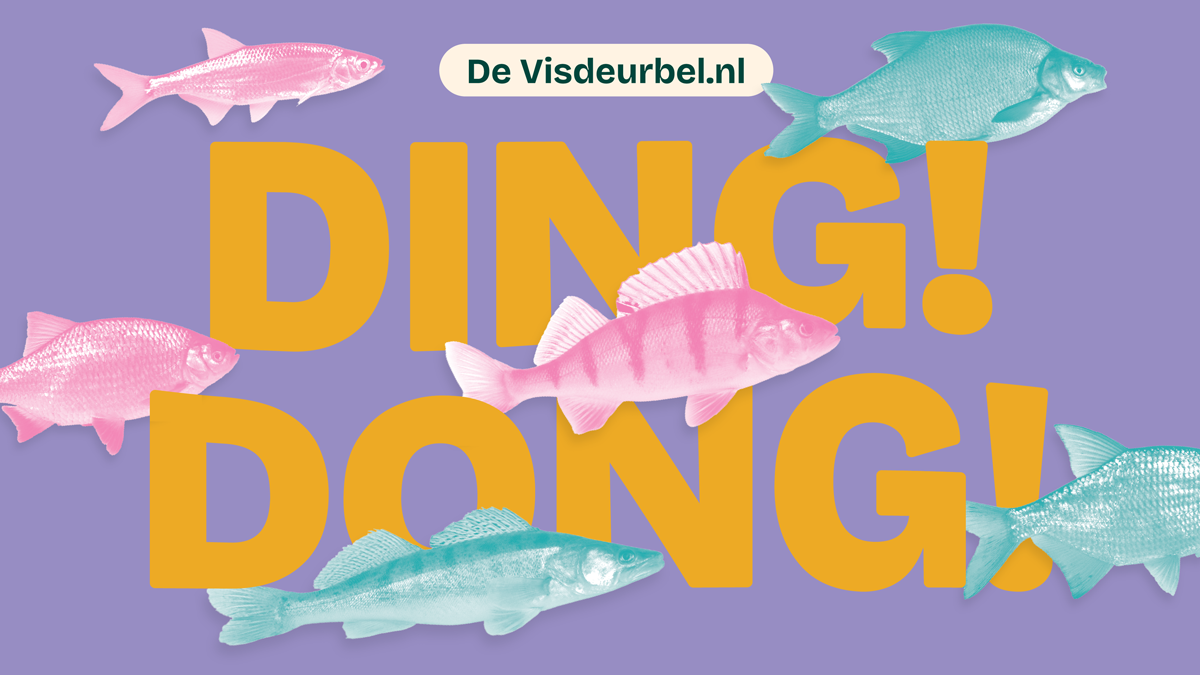
The Fish Doorbell: A Unique Global Community Project Aiding Fish Passage
In the heart of the Netherlands, a truly innovative project has captured the imagination of people worldwide, transforming a mundane urban waterway into a vibrant stage for aquatic migration. This is the story of the Fish Doorbell, or
Vis Deurbel as it's known locally, a remarkable initiative that brilliantly fuses technology, citizen science, and environmental conservation to assist fish on their challenging journeys. Far from a mere gimmick, this project is profoundly impactful, ensuring that vital fish migration routes remain accessible, and teaching us all about the delicate balance of our aquatic ecosystems. The Fish Doorbell is not just an idea; it's a living, breathing system, truly
visdeurbel op been, actively making a difference every day.
The Ingenious Concept Behind the Fish Doorbell
Every year, countless fish embark on incredible migrations, driven by instinct to find spawning grounds, food sources, or safer habitats. These journeys are critical for maintaining healthy fish populations and the overall biodiversity of our waterways. However, in urbanized areas, these natural pathways are often obstructed by man-made barriers like weirs, sluices, and boat locks. While these structures are essential for navigation and water management, they inadvertently create impassable obstacles for migrating fish.
This is where the Fish Doorbell steps in with an elegant, community-driven solution. Located at a specific boat lock in Utrecht, Netherlands, the project features an underwater camera that livestreams directly to the internet. The concept is simple yet revolutionary: if you spot a fish on the livestream camera, you can "ring" a digital doorbell. This bell doesn't directly open the lock gate, but rather sends an alert to a local monitor. Once the monitor observes enough fish gathering, or a particularly significant one, they manually open the lock, allowing the fish safe passage. It’s a brilliant example of how technology can empower a global community to contribute directly to local environmental efforts, making the journey for migrating species a little less daunting.
Why Fish Passage Matters
The ability for fish to migrate freely is fundamental to the health of freshwater ecosystems. Migration allows fish to access diverse habitats necessary for different life stages – from spawning and nursery grounds to areas rich in food. When migration is blocked, fish populations can decline, leading to a cascade of negative effects throughout the ecosystem. Reduced fish numbers can impact predators, affect water quality, and diminish the overall biodiversity of a river or canal system. Projects like the Fish Doorbell are vital because they directly address these bottlenecks, promoting genetic diversity and resilience within fish populations. By facilitating their passage, we contribute to the ecological balance that sustains countless other species and maintains the natural beauty of our waterways.
How the Vis Deurbel Works: A Global Effort
The core of the Fish Doorbell’s success lies in its accessibility and the power of collective action. Anyone, anywhere in the world, can tune into the livestream during its active "season." When a fish appears on screen, a simple click of a button "rings" the doorbell. This virtual ring serves as a notification, contributing to a tally that alerts the on-site personnel. As the project organizers themselves have expressed, "We are amazed about the number of people all around the world, that help out the fish in a small Dutch city called Utrecht. You are the best!" This sentiment perfectly encapsulates the spirit of global collaboration that makes the Vis Deurbel so special. It's a testament to how digital connectivity can foster a shared sense of responsibility for our planet's wildlife. For a deeper dive into how this global participation unfolds, you might be interested in
Ring the Fish Doorbell: How Global Viewers Help Dutch Fish Migrate.
Joining the Global Community: Your Role in Fish Conservation
Participating in the Fish Doorbell project is not only an act of conservation but also an incredibly engaging and educational experience. It’s a live window into a hidden world, offering a chance to witness the fascinating lives of freshwater fish up close. For many, the excitement of spotting a fish and ringing the bell – as shared by enthusiasts like Evelyn – is a highlight of their day.
Tips for Spotting Fish and Ringing the Bell
If you're eager to join the ranks of global fish spotters, here are a few tips to enhance your experience:
*
Be Patient: Fish don't always appear instantly. Sometimes the water might be cloudy, or they might be taking their time. Patience is key!
*
Look for Movement: Rather than scrutinizing every inch of the screen, train your eyes to detect subtle movements or shadows that could indicate a fish.
*
Know the Species: Familiarize yourself with common Dutch freshwater fish like pike, ide, perch, common roach, and freshwater bream. Knowing what you're looking for can make identification easier. The project has seen a noticeable increase in different species over time, indicating its success.
*
Be Quick: Fish can swim past the camera very quickly. You often "have got to be fast though, to get them in the picture!" So, keep your finger poised over that doorbell button.
*
Tune in During Peak Season: The project runs seasonally, typically during spring when fish migration is at its peak. Keep an eye on the official project announcements for the best viewing times.
Understanding the "No Doorbell" Scenario
Given the overwhelming global interest, the project has experienced immense popularity, sometimes exceeding its technical capacity. If you tune in and don't see the doorbell button, it's likely because the dedicated interactive streams (approximately 950 available) are full. In such cases, you are redirected to a YouTube livestream. While this ensures everyone can still watch the fish, YouTube’s platform doesn't support the interactive doorbell function. Don't be discouraged, though! Even passively observing contributes to awareness and appreciation for these aquatic creatures. And rest assured, the main interactive streams are still operational, diligently collecting "thousands of pictures of every fish that appears for the camera" to inform the lock operators.
Beyond the Bell: The Wider Impact of Utrecht's Innovation
The Fish Doorbell is more than just a local solution; it’s a pioneering model for environmental engagement and urban biodiversity management. Its success in Utrecht highlights the potential for similar citizen science initiatives in waterways around the world.
New Species and Evolving Ecosystems
A particularly exciting aspect of the project is the increasing diversity of fish species observed utilizing the passage. Initially, pike and ide were common. Now, "after the pike and ide, we are now seeing perch, the common roach and freshwater bream joining the migration." This surge in varied species suggests that the Fish Doorbell is successfully supporting a wider range of aquatic life, fostering a richer and more balanced ecosystem within the Dutch canals. It serves as a living indicator of ecological health, demonstrating the positive impact that targeted conservation efforts can have. For more details on the expanding list of visitors, check out
Vis Deurbel Season Update: New Species Join Utrecht's Canal Migration.
A Model for Sustainable Urban Waterways
The Fish Doorbell stands as a beacon for how urban areas can coexist harmoniously with nature. It demonstrates that with creative thinking, technological leverage, and community involvement, we can overcome environmental challenges that once seemed intractable. This initiative could inspire similar projects globally, helping to restore connectivity in fragmented river systems and foster a new generation of environmental stewards. It's a powerful narrative of how a small Dutch city, through its ingenuity and the help of a global audience, is making a significant contribution to aquatic conservation.
The Fish Doorbell project perfectly embodies the spirit of practical conservation, proving that even simple, accessible tools can have a monumental impact. By bringing the hidden world of fish migration into our homes, it educates, excites, and empowers individuals to become active participants in protecting our planet's precious biodiversity. As the Vis Deurbel continues to operate season after season, it reinforces the message that conservation is a collective journey, one doorbell ring at a time.